
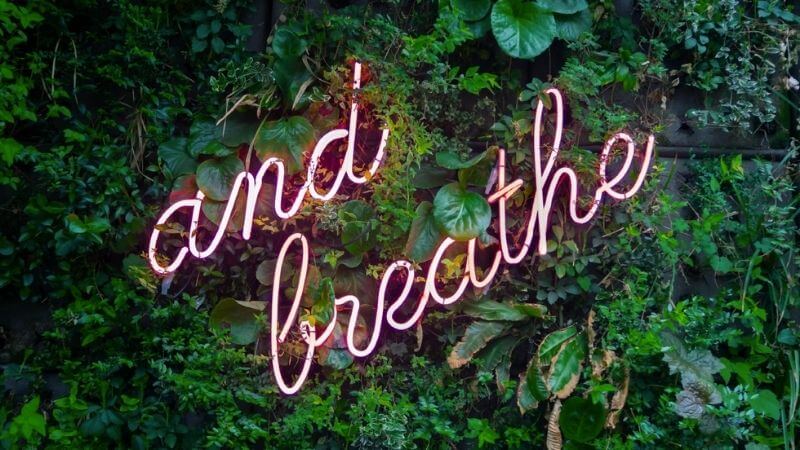
When you are looking for ways to relax and look after your overall wellbeing, breathwork is worth exploring. It costs nothing, needs no equipment and can be done almost anywhere.
There are several breathing techniques, often grouped together as breathwork. Some of the best known are:
- Pranayama, or alternate-nostril breathing
- Kapalbhati, a practice of strong, rhythmic exhalation
- Equal breathing
- Lion’s breath
- The 4-7-8 method
Why breathing matters
We breathe all day without thinking about it, but taking a few minutes to breathe slowly and deliberately can change how you feel in the moment. Many people find breathwork helps them:
- Feel calmer and more settled
- Relieve everyday stress
- Wind down before bed
- Notice where they are holding tension in the body
- Take a pause during a busy or difficult day
Trying it for yourself
With alternate-nostril breathing, you breathe in through one nostril and out through the other, at a slow, steady pace. Kapalbhati is more energetic, with short, swift exhalations, so it is best learnt from a qualified teacher. If any technique makes you feel dizzy or uncomfortable, stop and breathe normally.
If you have a heart or lung condition or high blood pressure, or you are pregnant, check with your GP before trying the more intense techniques.
Final thoughts
Breathwork and neuro massage sit well together. An hour on the massage table is time set aside to relax, and a few slow breaths at the start of a session can help you settle in. Many clients also like to carry a simple breathing practice into the rest of their week.
This article is for general interest and isn’t medical advice. Massage is a complementary approach and doesn’t replace care from your GP or medical team. Please speak to them before trying something new, especially if you have a health condition or take medication.