
Many people living with neurological conditions or injuries also live with muscle tension, stiffness or aches. Massage is one way people look after their comfort, and alongside hands-on massage, a massage gun is a tool I use often. In fact, it is now one of my favourites.
Massage guns use rapid pulses to work on the muscles. They have become popular because they are easy to use on yourself between sessions, and many people find them a quick way to ease everyday muscle tension and relax.
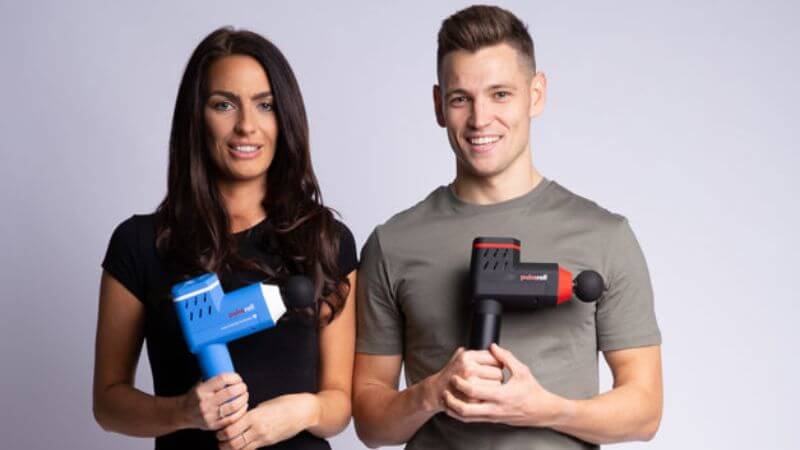
Our massage gun of choice is PulseRoll
PulseRoll uses vibration to massage the muscles, with different heads and speeds so you can choose what feels comfortable on different areas.
What people like about using a massage gun
- Easing everyday muscle tension: a few minutes on tight shoulders, calves or back can feel good at the end of the day.
- Control: you choose the speed, the pressure and where it goes, and you can stop at any time.
- Easy to use between sessions: it can be a simple part of your routine at home, or something a carer helps with.
- Relaxation: many people find it a calming way to unwind.
Using one safely
If you have reduced sensation, you may not feel when the pressure is too strong, so start on the lowest setting, keep it moving and check your skin afterwards. Avoid the front and sides of the neck, the spine, bony areas, broken or fragile skin, and anywhere that is swollen, bruised or recently operated on. If you have a blood clotting condition, take blood thinners, have a pacemaker or other implanted device, or are pregnant, talk to your doctor before using one.
Final thoughts
A massage gun can be a useful extra tool for comfort and relaxation between sessions. It doesn't replace hands-on massage or medical care, and it is always worth asking your doctor or therapist whether it is right for you.
Use code NeuroMassage for 10% off
This article is for general interest and isn’t medical advice. Massage is a complementary approach and doesn’t replace care from your GP or medical team. Please speak to them before trying something new, especially if you have a health condition or take medication.